Scaleable Design Systems
Overview
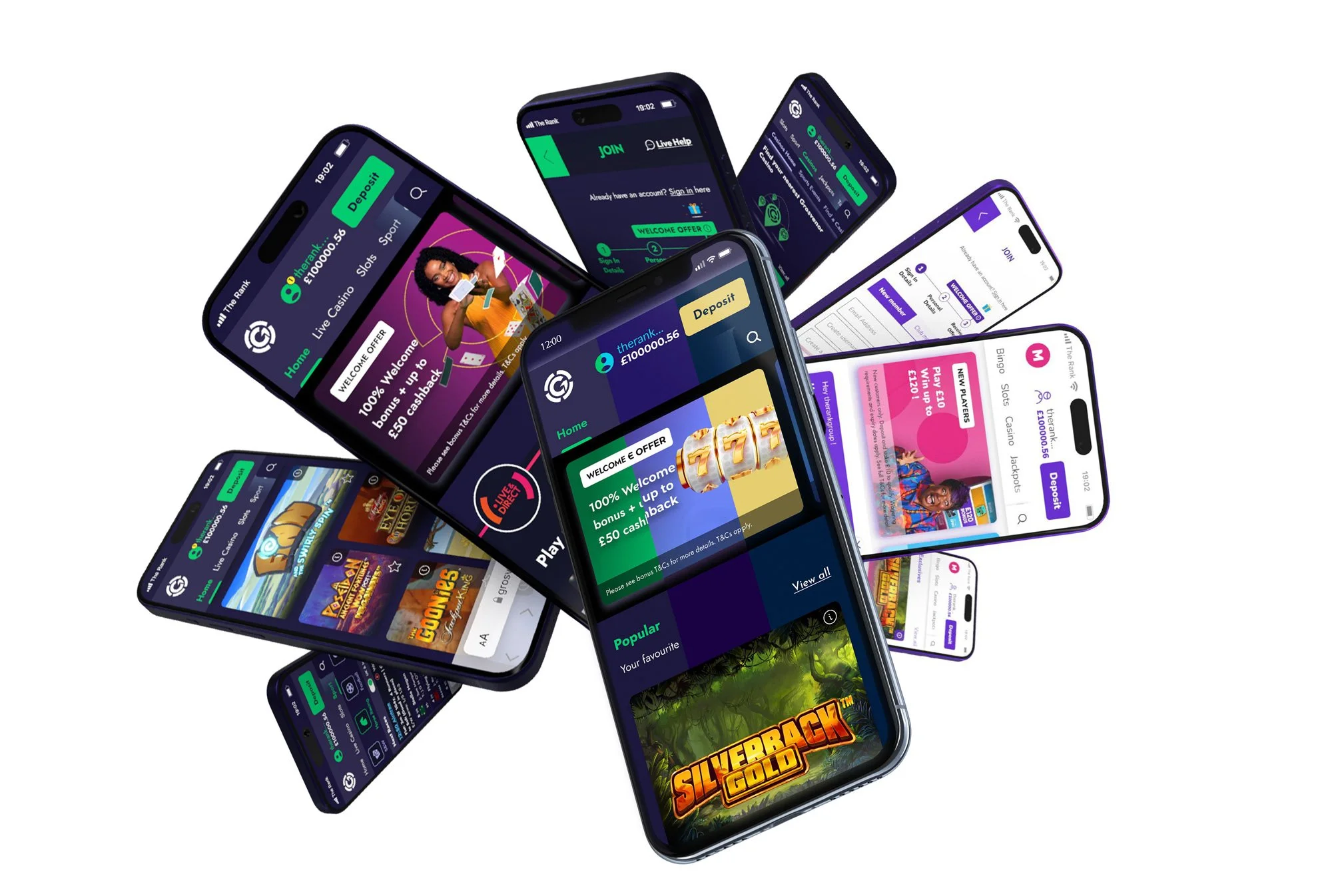
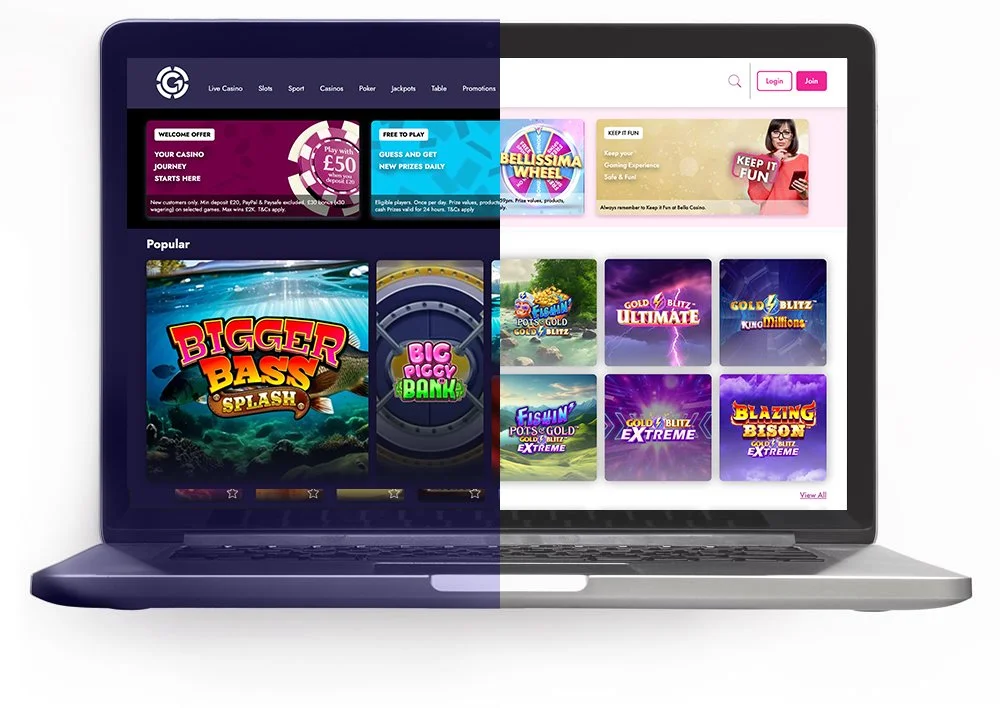
This project focused on designing a scalable design system to support multiple brands within a shared CMS platform. The goal was to unify the user experience across brands while enabling flexibility for different identities and content needs.
The Problem
As the platform evolved, each brand introduced its own UI patterns, components, and styles.
This resulted in:
Inconsistent user experiences across brands
Duplicate components and design effort
Increased development complexity
Slower delivery of new features
Without a shared system, the product became difficult to scale and maintain.
Designing for Deployment Efficiency
My Role
As Product Designer, I was responsible for:
Auditing existing components and patterns across brands
Defining a unified design system and component library
Collaborating with developers to align design and implementation
Creating reusable components and scalable UI patterns
Ensuring consistency while allowing for brand-level flexibility
Approach
I began by auditing the platform to identify inconsistencies and overlapping components. From there, I defined core design principles and created a reusable component library for use across multiple brands.
The system balances consistency with flexibility, allowing each brand to retain its identity while using a shared structure. Close collaboration with developers ensured components aligned with the technical framework, supporting scalability, reducing duplication, and streamlining future design and development.
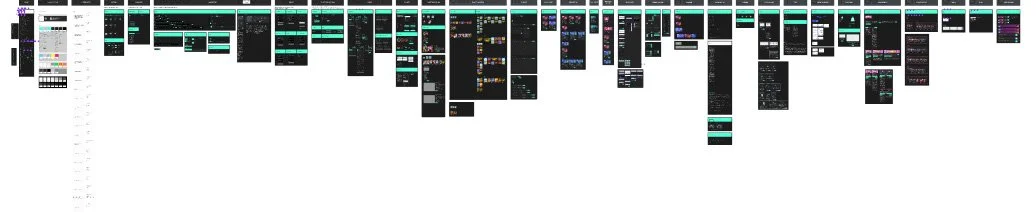
Master Design System.
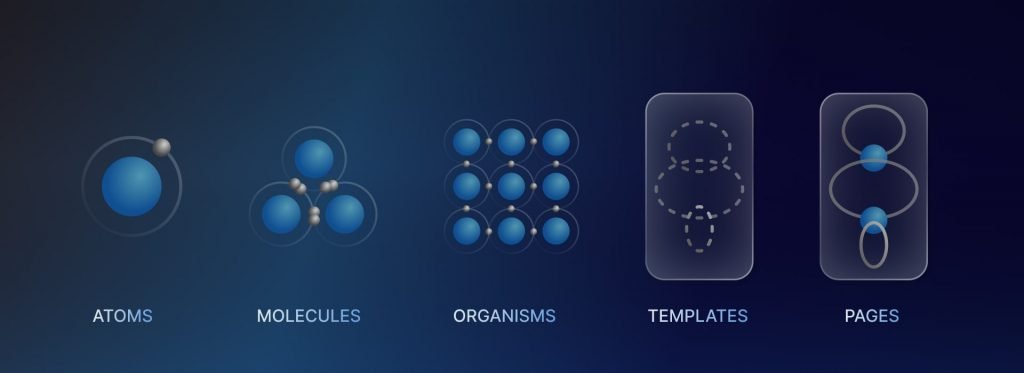
We hand picked the best rated components out of the 11 brands and built out 1 design system to rule them all. Each component was rebuilt using a best practice of structuring them using the atom, molecule and organism method.
This structure method allows for components to be built once and can then be reconfigured to perform other functions, a time-saving benefit seen largely by the development teams, and in turn in economical savings by the business.
Outcome
The result was a unified design system that improved consistency across all brands while supporting efficient product development.
The new system:
Standardised UI patterns across the platform
Reduced duplication in both design and development
Improved speed and consistency when building new features
Created a scalable foundation for future growth
Value Added
Established a scalable design foundation supporting multiple brands within a single platform
Reduced design and development overhead through reusable components
Improved cross-team alignment between design and engineering
Enabled faster, more consistent delivery of new features across brands
UX Design Highlights.
Streamlined experience:
The information and structural layout is oriented towards the hierarchical architecture, resulting in reduced scrolling.
Checked, tested & updated:
Revamped design components are aligned with latest design principles, user behaviors, and industry trends.
Quick & reusable:
New features can be easily re-skinned and applied across various brands within a short timeframe as needed.
Business Benefits.
Improved operational efficiency:
The single feature library can now service all current brands, and those to come in the future. A great feat in scaleability.
Less training time:
Content Operations and Commercial teams don’t have to learn multiple workflows and new hires can be onboarded in a fraction of the time.
Improved user experience:
Through UX and UI optimisation, users can now enjoy reduced load times.